

Who We Help
NATIONAL Crisis Response Canine teams help in disasters and crisis situations large and small.
Many different community partners request us for many different situations, such as...

People in Crisis
For the homeless teen, the canine team is there to connect him with caring people at a cold weather shelter.
For the elderly woman beaten and shamed by her abuser, the canine team is there to offer support without judgement as a domestic violence counselor helps her form a safe escape plan.
For the overwhelmed veteran unable to manage her bills and facing eviction, the canine team offers a safe haven while the American Red Cross' Services to The Armed Forces team coordinates housing and other services for her.
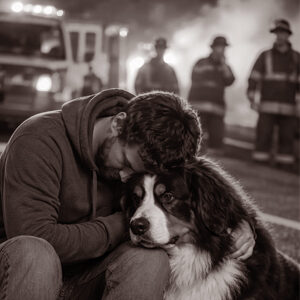
Emergencies & Natural Disasters
For the child abducted and abused by a non-custodial parent, the canine team is there to assist federal agents as he’s returned safely to the United States.
For the family standing in the cold night watching as their house burns, the canine team provides for their emotional safety as the American Red Cross team warms them with blankets and provides information and vouchers for temporary housing.
For the family forced from their home after a natural disaster, crisis response canine teams provide a psychological safe haven for them while community disaster relief volunteers warm them with blankets, and provide them with food and other necessities in the immediate aftermath.
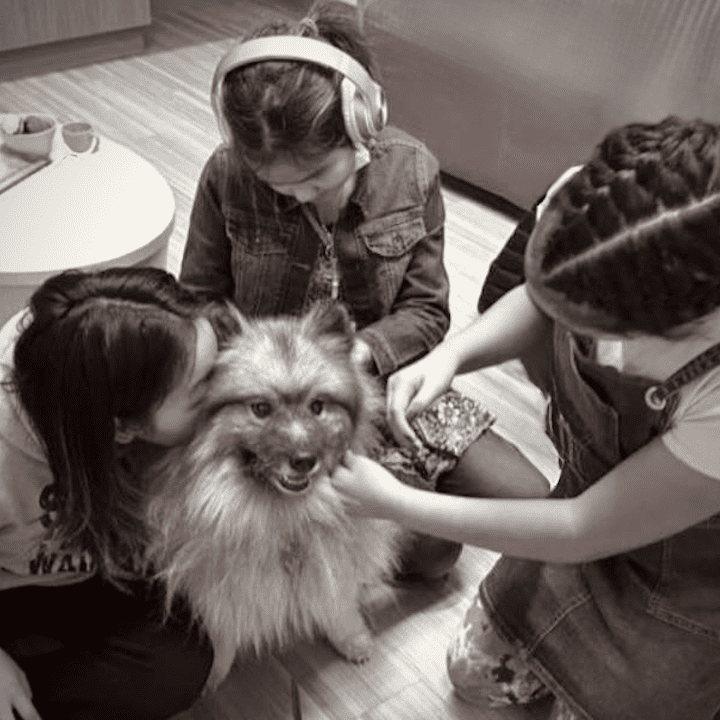
Traumatic & Mass Casualty Events
For the high school student protected from a hail of bullets by his teacher, the crisis response canine offers the wordless protection needed when there are no words to describe the terror and horror.
For those with critical medical conditions as a hurricane bears down on their community, crisis response canine teams lighten the burden on medical shelter staff by assisting with basic needs and listening with compassion as the residents talk about their fears.
For the evacuated community and crew of the train that derailed while carrying toxic chlorine gas, crisis response canine teams deployed to evacuation sites can mitigate the pervasive anxiety and promote social calm while people wait for information from the EOC and ESF desks.
For the students and school staff after the death of one of their own by suicide or a tragic accident.
For a local business and their employees trying to return to work after a traumatizing robbery, violent incident or loss of someone close.
“The NATIONAL Crisis Response Canines helped our community deal with a tragic event. It brought smiles to the children and parents of our school when you never thought that was possible."
– School Principal
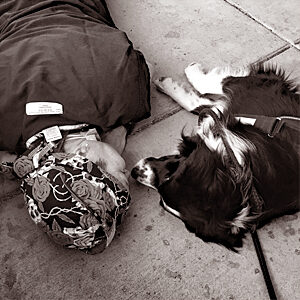
Responder Support
For the coworkers and families of the paramedics and patients who died as a result of the crash of the med-evac plane sent to take them to the hospital.
For the professional and volunteer responders who staff the EOC, shelters, PODs and multi-agency resource centers, crisis response canines provide much needed respite during their long days and weeks of managing the disaster.
For the firefighters struggling with the suicide of one of their own, the crisis response canine is there to offer the quiet, calm support that strengthens their bonds to one another.
“The NATIONAL Crisis Response Canine teams were instrumental in helping our responders begin the healing process during and after our school's critical incident. Their presence in the debrief for our EMT’s was so powerful, we asked NATIONAL to come the next day for the debrief of our 911 dispatchers.”
– Fire Department Captain
“Having a crisis response canine on site at our training burn in the relief tent helped lower recruit's vitals so they could get back in for more rotations during the burn.”
– Fire Department Chief